At the heart of Bali’s breathtaking landscape lies more than just stunning views—there’s an ancient tradition that has shaped both its natural beauty and cultural identity: the Subak system. This unique irrigation method is more than a farming technique; it’s a spiritual and communal way of life that has sustained generations of Balinese farmers and earned global recognition as a UNESCO World Heritage cultural landscape.
Table of Contents
What Is the Subak System?
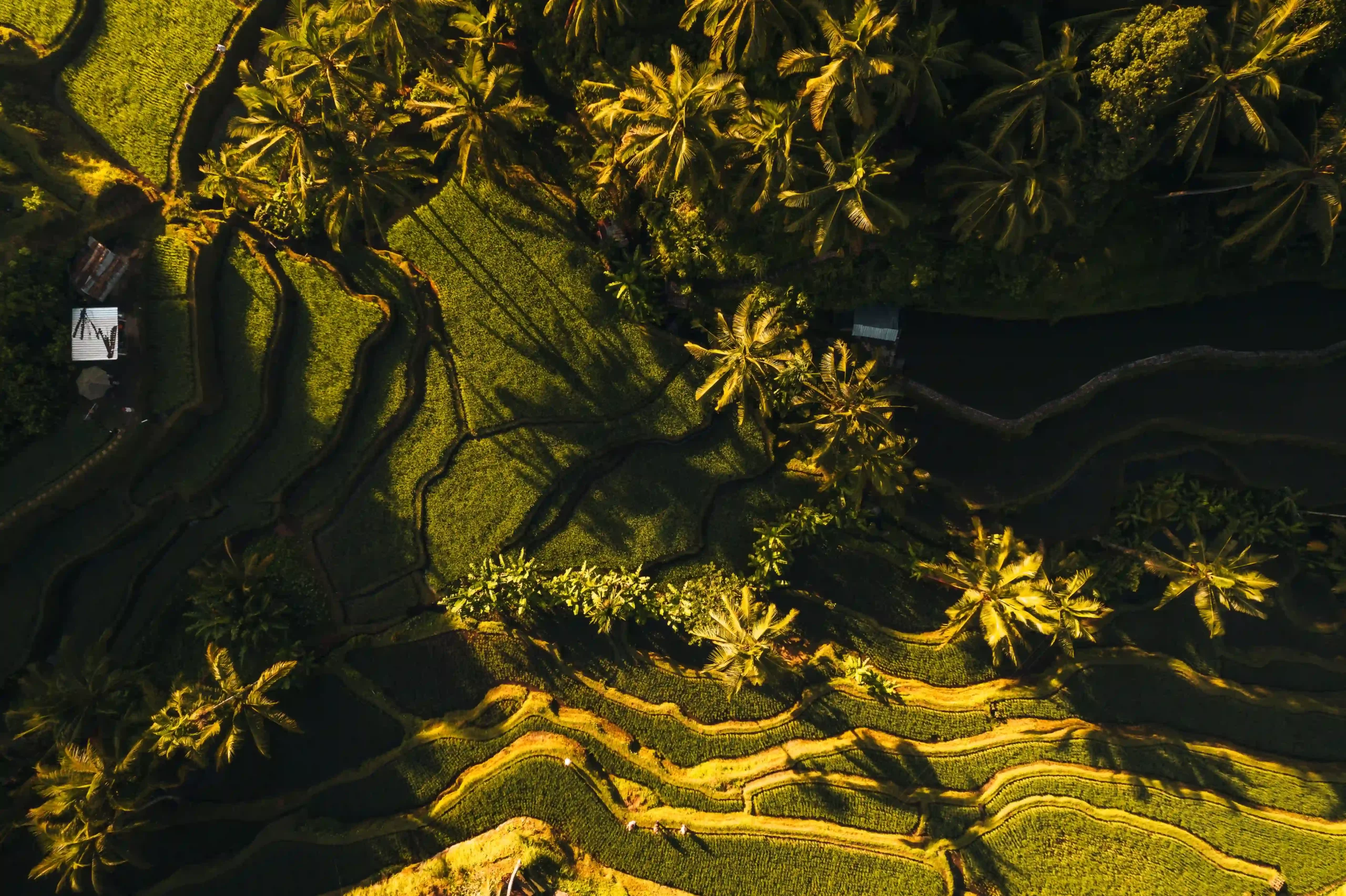
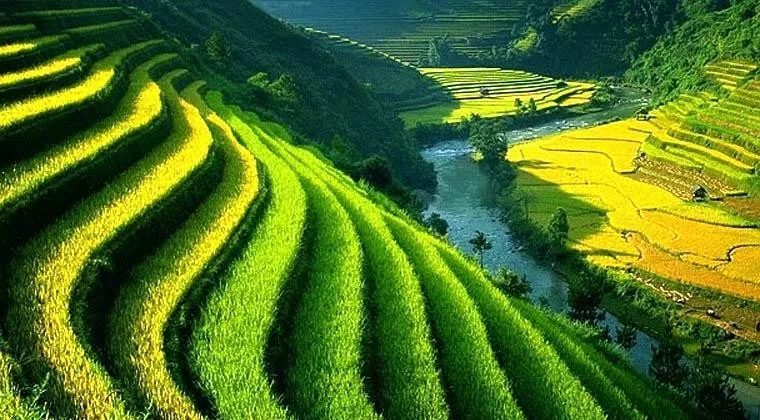
The Subak system is an intricate, centuries-old method of water management used to irrigate Bali’s rice terraces. Developed in the 9th century, it relies on a network of canals, tunnels, and weirs to distribute water from mountain lakes and rivers to surrounding rice paddies. What makes Subak truly unique, however, is its integration of Tri Hita Karana—Balinese philosophy that emphasizes harmony between people, nature, and the divine.
Each Subak is managed by a subak association, an independent, democratic farmers’ group that oversees fair distribution of water, maintenance of irrigation infrastructure, and coordination of planting cycles. At the spiritual center of every Subak is a water temple, where offerings and ceremonies are held to honor Dewi Danu, the goddess of water.

Spirituality Meets Sustainability
Unlike modern, mechanized agricultural systems, this traditional water management method is deeply rooted in balance and respect for nature. The alignment with Tri Hita Karana ensures that environmental sustainability and social cooperation are part of daily practice. This harmony between the practical and the spiritual is what sets Subak apart—it’s not just about growing rice, but about nurturing a way of life.
Thanks to this philosophy, the system has preserved biodiversity, supported food security, and created a resilient agricultural system that continues to thrive in a changing world.
Where to See the Subak System in Action
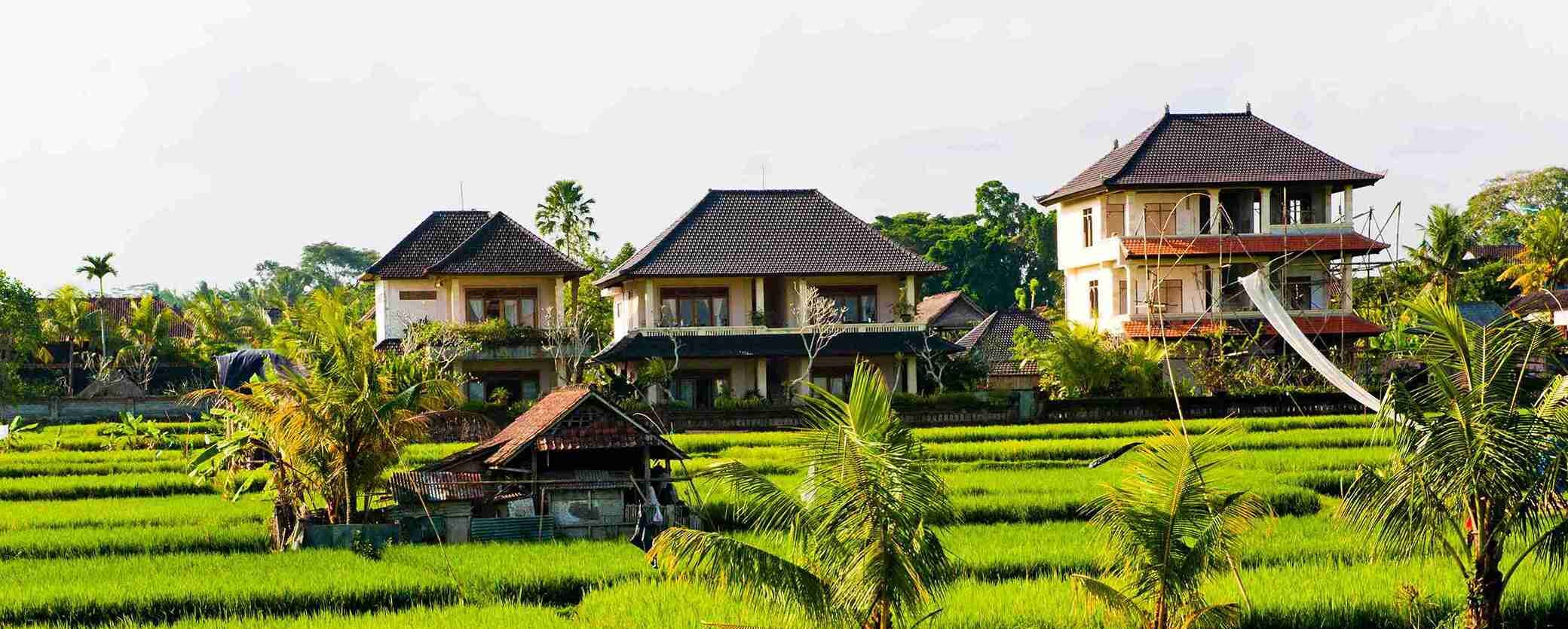
Some of Bali’s most iconic landscapes are products of the Subak system. Tegallalang in Ubud and Jatiluwih in Tabanan are two of the most popular places to witness this living heritage. Jatiluwih, in particular, has been designated a UNESCO Cultural Landscape thanks to its vast, undulating terraces and well-preserved Subak practices.
Visitors can walk along scenic trails, visit temples like Pura Luhur Batukaru, and even join local farmers to learn about planting and harvesting methods. Guided tours often include cultural explanations, giving deeper insight into the balance and wisdom behind every field of rice.

Preserving the Subak for Future Generations
As Bali modernizes and tourism expands, there are challenges to preserving Subak. Land development and changing priorities among younger generations can threaten its continuity. Fortunately, there are growing efforts to protect and promote the system—through education, sustainable tourism, and local government support.
By understanding and appreciating the Subak system, travelers can support its survival and celebrate Bali’s deep connection between land, spirit, and community.
Visiting the Rice Terraces: What to Expect
For visitors keen to explore Bali’s rice terrace landscapes, Tegallalang and Jatiluwih are both accessible by private car or driver. Tegallalang is approximately 20 minutes from Ubud and suits shorter itineraries, while Jatiluwih offers a more immersive experience with fewer crowds. Entry fees apply at both sites, with a portion going directly to the farming communities and traditional water infrastructure. Wearing modest clothing is appropriate, as the terraces are often adjacent to active temple sites and ceremony areas.
In 2012, the Cultural Landscape of Bali Province was inscribed on the UNESCO World Heritage List. This recognition covers four clusters of water temples and their associated rice paddies, and has helped raise international awareness and attract conservation support. For more on experiencing authentic Balinese culture, read our guides to Bali traditional villages and the best Bali villa areas. For further reading, see Subak on Wikipedia.