Bali is an island deeply connected to the cycles of nature, and few celestial events hold as much spiritual significance as Purnama and Tilem. These two lunar phases are sacred times in the Balinese Hindu calendar, marked by offerings, prayers, and temple ceremonies. Whether you’re a visitor or a spiritual seeker, experiencing Purnama or Tilem in Bali offers a profound insight into the island’s deep-rooted traditions and connection to the divine.
Table of Contents
The Spiritual Significance of Purnama & Tilem
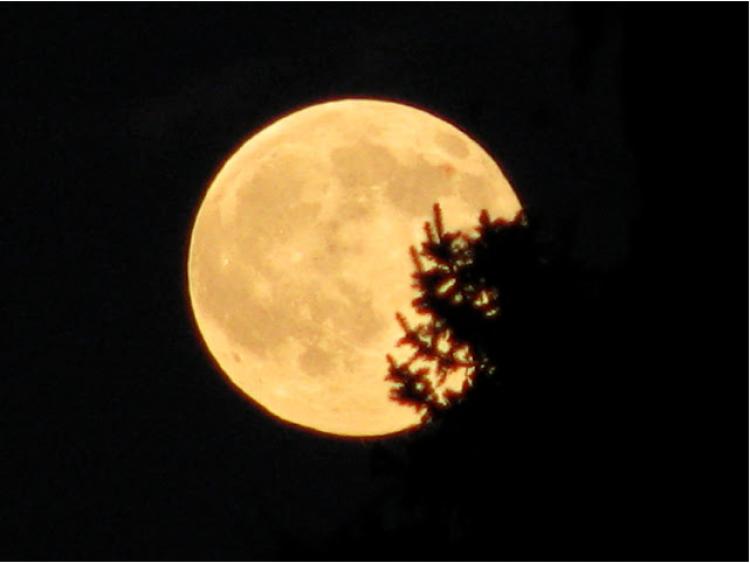
Purnama – The Full Moon’s Divine Blessing
Purnama, or the Full Moon, is considered a time of spiritual energy, enlightenment, and prosperity. Among the Purnama and Tilem phases, Purnama is particularly celebrated: it is believed that divine beings descend to bless the earth, making it an auspicious time for prayers and rituals.
On Purnama nights, Balinese Hindus flock to temples adorned with canang sari (offerings), incense, and flowers. They pray for health, success, and protection, often accompanied by traditional gamelan music and dance performances. Some temples, such as Pura Tirta Empul in Tampaksiring, are especially popular for purification rituals during the Full Moon, as locals and visitors alike immerse themselves in the sacred waters.

Tilem – A Time for Reflection & Cleansing
Tilem, or the New Moon, represents a time for introspection, purification, and letting go of negativity. In the Purnama and Tilem cycle, Tilem carries equal importance: it is believed that darkness is strongest on this night , making it an important time to seek protection from negative forces through rituals and prayers.
During Tilem, Balinese families prepare offerings of gratitude and protection for their ancestors and deities. Many also perform melukat (spiritual cleansing) rituals, either in temples or at the sea. Temples like Goa Lawah (the Bat Cave Temple) and Pura Luhur Batukaru see large gatherings as devotees come to cleanse their minds and spirits in preparation for the new lunar cycle.

Respecting Local Traditions
If you’re experiencing Purnama or Tilem in Bali, here are a few important etiquette tips:
- Wear Traditional Attire – If attending a temple ceremony, wear a sarong and sash. Some temples provide them for visitors.
- Be Respectful – Remain silent during prayers, and do not disturb the rituals.
- Do Not Step on Offerings – Be mindful when walking on the streets, as canang sari are placed everywhere.
- Ask Before Taking Photos – Some rituals are sacred and may not allow photography. Always seek permission first.
Whether you experience Purnama and Tilem at a hillside temple or a beachside ceremony, the atmosphere is unlike anything found elsewhere in Bali. Locals are welcoming to respectful visitors during these lunar occasions, and many temples see their most vibrant ritual activity on these nights.
Purnama and Tilem are not just celestial events in Bali—they are deeply spiritual moments that reflect the island’s profound connection to the cosmos. Whether you witness a temple ceremony, take part in a purification ritual, or simply soak in the mystical energy of the moonlit sky, embracing these lunar traditions offers a truly unique and sacred experience in Bali.
If you’re visiting Bali, try planning your stay around one of these powerful moon phases—you may just feel a deeper connection to the island’s spirit.
When Do Purnama and Tilem Occur?
Purnama and Tilem follow the Balinese lunar calendar, occurring every 29 to 30 days in a continuous cycle. Purnama falls on the full moon, while Tilem arrives with the new moon. Because the Balinese use the Saka calendar, the exact dates shift each year when mapped to the Gregorian calendar. Checking a Balinese calendar before your trip will tell you exactly when Purnama and Tilem fall during your visit. Some travel operators also include temple ceremonies and moon rituals as part of guided cultural experiences.
For more on Bali’s spiritual calendar and cultural traditions, read our guides to Bali traditional villages, the best Bali villa areas, and Bali luxury villas. For background on the Balinese Hindu calendar, see the Balinese calendar on Wikipedia.
<< If you liked this article, you may also like our other articles >>
To chat with our marketing partner about your business, please contact The Travellist