In Bali, spirituality permeates every aspect of daily life, and Kajeng Kliwon is one of the most important and sacred days observed by the Balinese Hindu community. Occurring every 15 days, this ceremonial day is a time to honour and protect oneself from negative forces through ritual and prayer.
Table of Contents
What Is Kajeng Kliwon?
Kajeng Kliwon is a combination of two elements from the Balinese calendar: Kajeng, which occurs every three days, and Kliwon, which occurs every five days. The convergence of these two days—every 15 days—creates a spiritually charged moment that is believed to open a portal between the physical and spiritual realms.
Balinese Hindus believe that on Kajeng Kliwon, unseen energies—both benevolent and malevolent—are more active. Therefore, rituals are performed to maintain balance and harmony, warding off any negative influences.
Rituals and Offerings
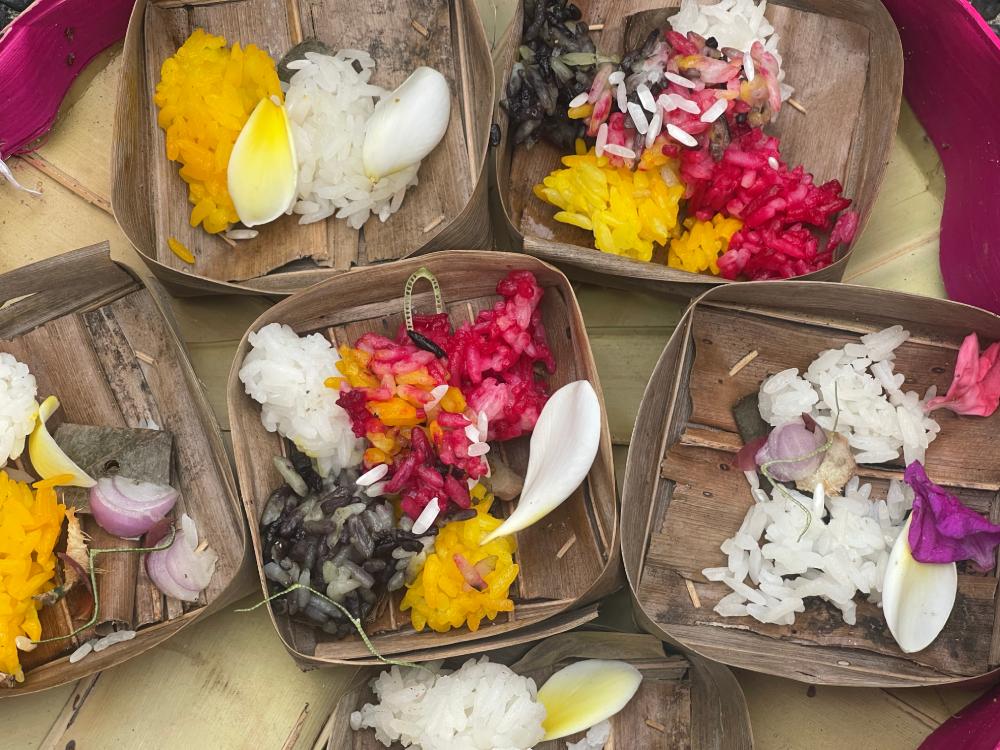
On Kajeng Kliwon, offerings called “canang sari” and “segehan” are made and placed in specific locations such as entrances, crossroads, and temples. These offerings are meant to appease both the good spirits and the darker forces.
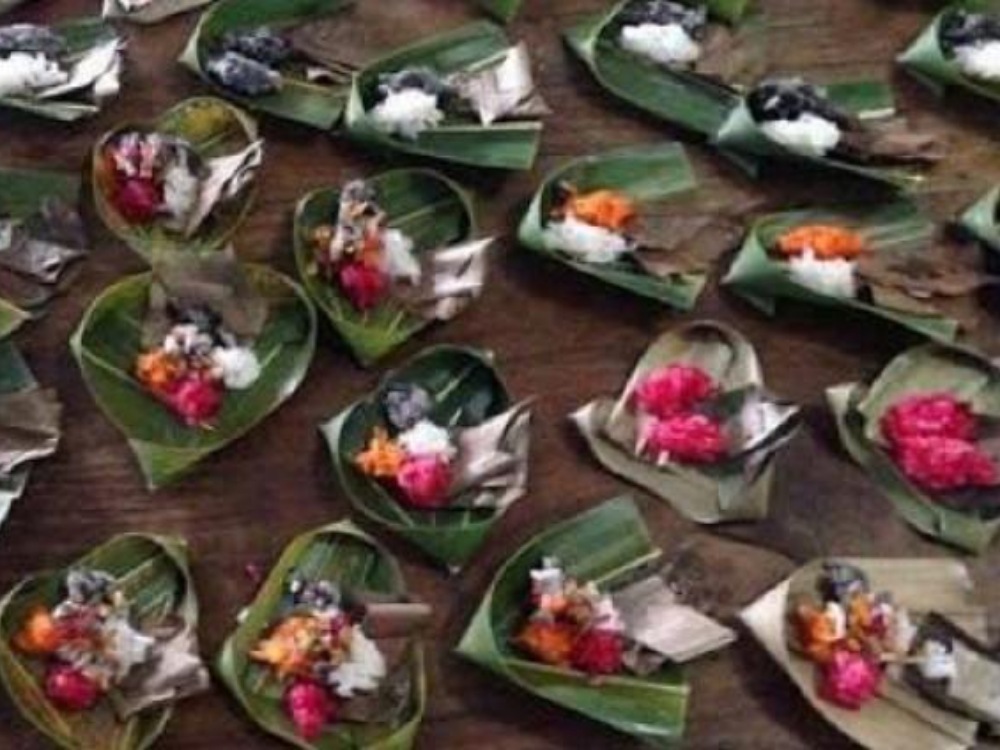
You’ll often see families placing offerings in front of their homes and shops, while priests and spiritual leaders may conduct special ceremonies at temples or family shrines. Incense, flowers, and rice form the basic elements of the offering, accompanied by prayers for protection and balance.
The Meaning Behind the Day
Kajeng Kliwon is deeply symbolic of Rwa Bhineda, the Balinese philosophy of duality—light and dark, good and evil, positive and negative. It reminds the Balinese people to remain balanced, spiritually aware, and respectful of both sides of life.
It’s not a public holiday, so daily routines continue, but there is a visible increase in spiritual activity and ceremonial dress across the island. Visitors may notice people wearing traditional clothing and the heightened aroma of incense in the air.
What Visitors Should Know
If you’re visiting Bali and happen to be there on a Kajeng Kliwon day, it’s a beautiful time to observe the island’s rich spiritual traditions. Be respectful of ceremonies taking place and enjoy the glimpse into the deeply rooted cultural beliefs that guide daily life in Bali.
You may also want to visit a local temple, where public rituals might be held. However, always ask permission before taking photos or entering temple grounds. Before Kajeng Kliwon begins, the streets near temples fill with the soft smoke of incense and the vibrant colours of floral offerings. Many local businesses pause briefly in the morning to make offerings, and even children participate in placing canang sari outside family homes. Slowing down and observing with genuine respect on this day can be one of the most memorable parts of any Bali trip.
Kajeng Kliwon is a powerful reminder of the spiritual depth of Balinese culture—a day of reverence, protection, and reflection. Whether you’re a local or a visitor, understanding its significance helps deepen your appreciation of Bali’s unique blend of ritual and daily life.
How Often Does Kajeng Kliwon Occur?
Kajeng Kliwon falls every 15 days in the Balinese Pawukon calendar, meaning it recurs far more frequently than many of Bali’s larger ceremonies. For those planning an extended stay on the island, it is quite likely you will encounter at least one Kajeng Kliwon during your visit. This regularity reflects the Balinese approach to spiritual practice — not as an occasional event but as an ongoing rhythm that punctuates the calendar and keeps the community connected to its sacred responsibilities. Some families observe Kajeng Kliwon quietly at home, while others participate in temple rituals or visit the village crossroads to place their offerings and prayers.
For more on Bali’s sacred ceremonies and living spiritual culture, explore our guides to Bali traditional villages and the best Bali villa areas. For deeper reading on the Balinese calendar system, see the Balinese calendar on Wikipedia.