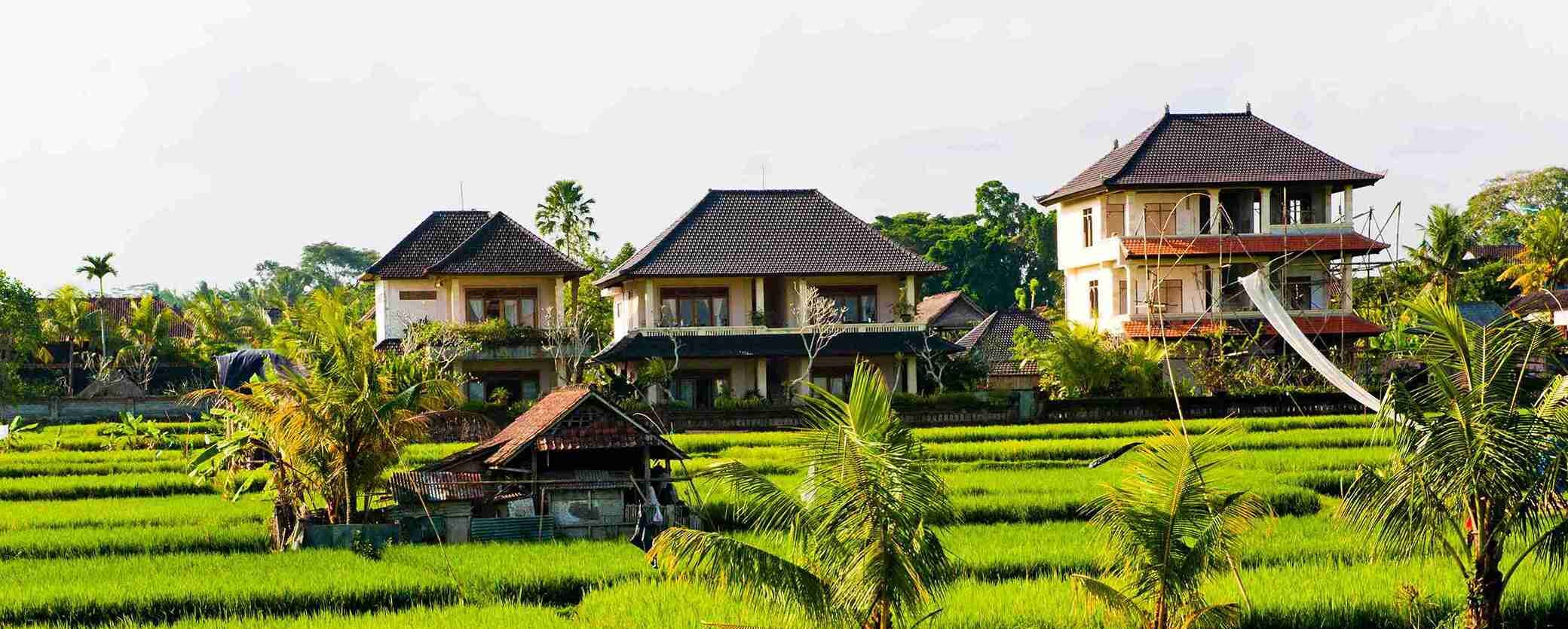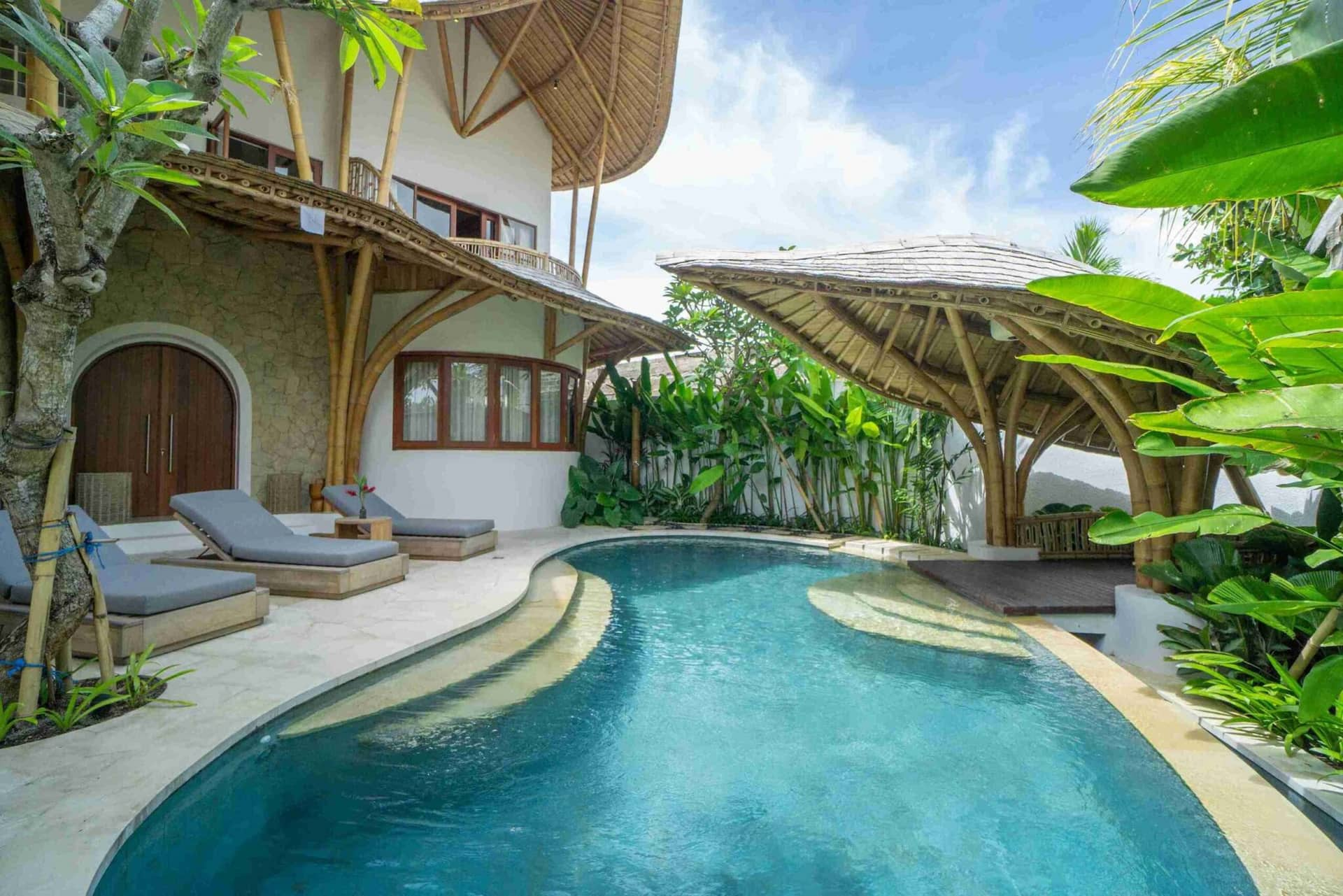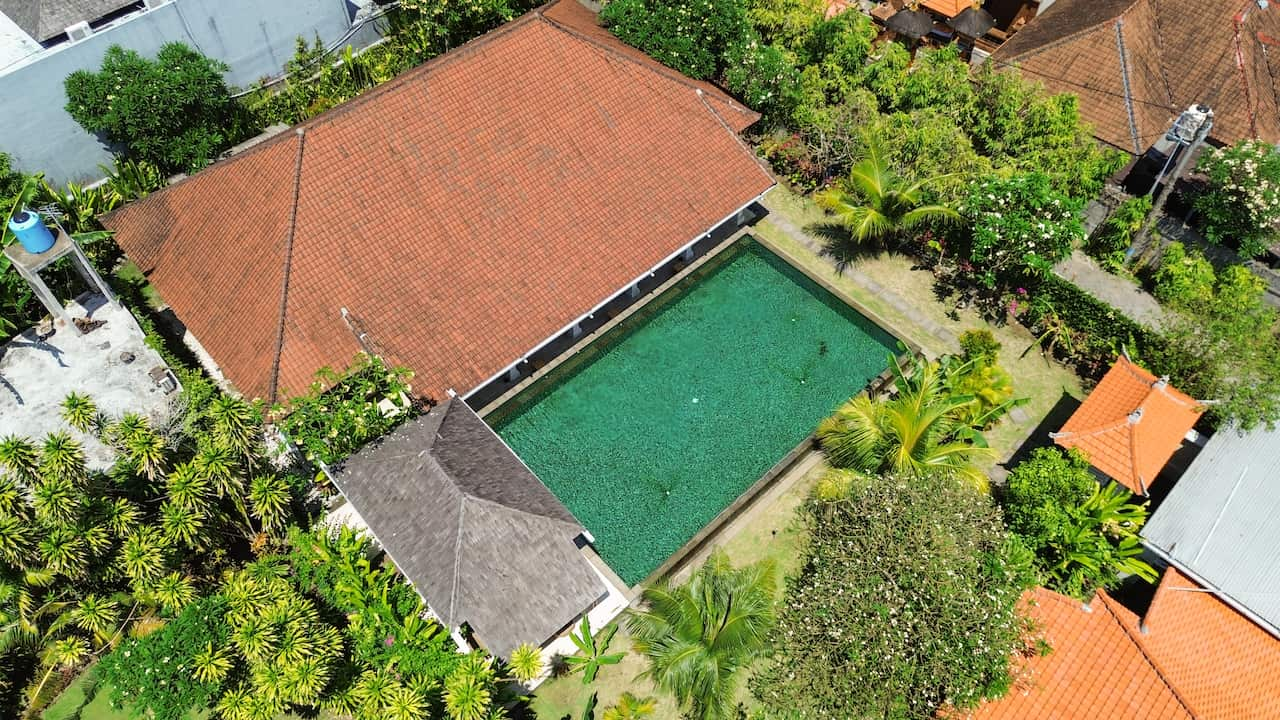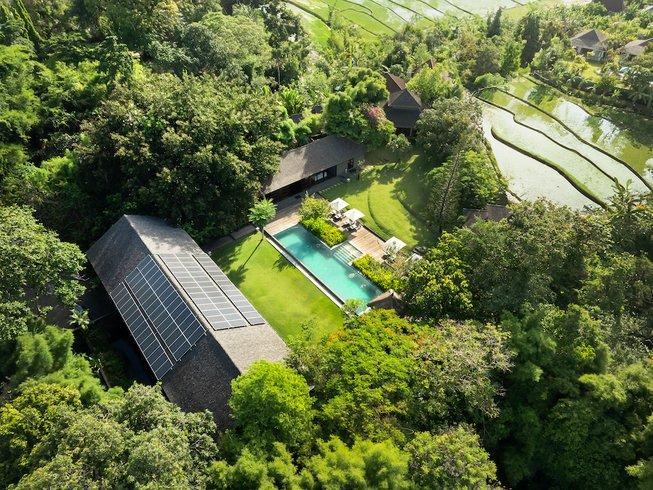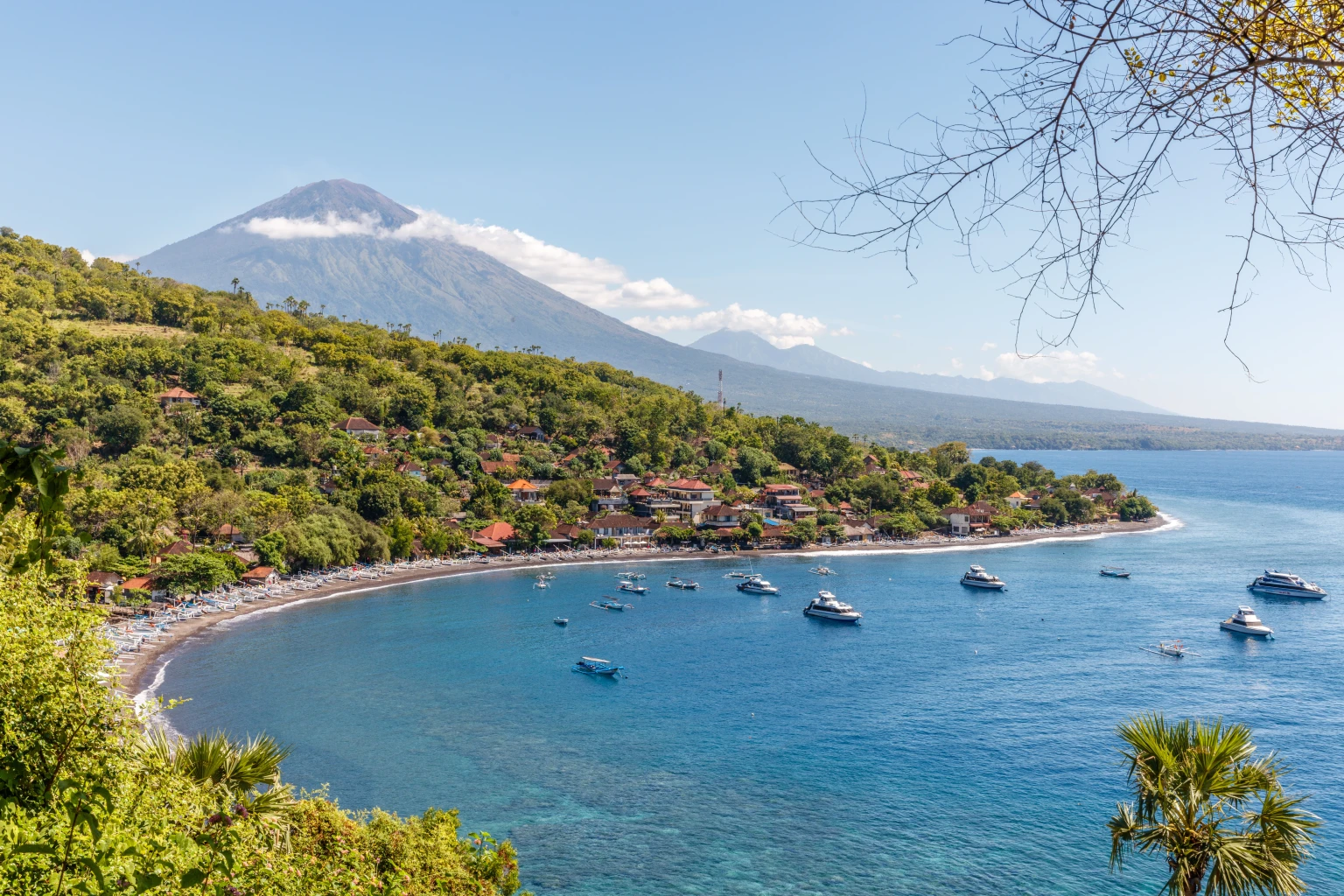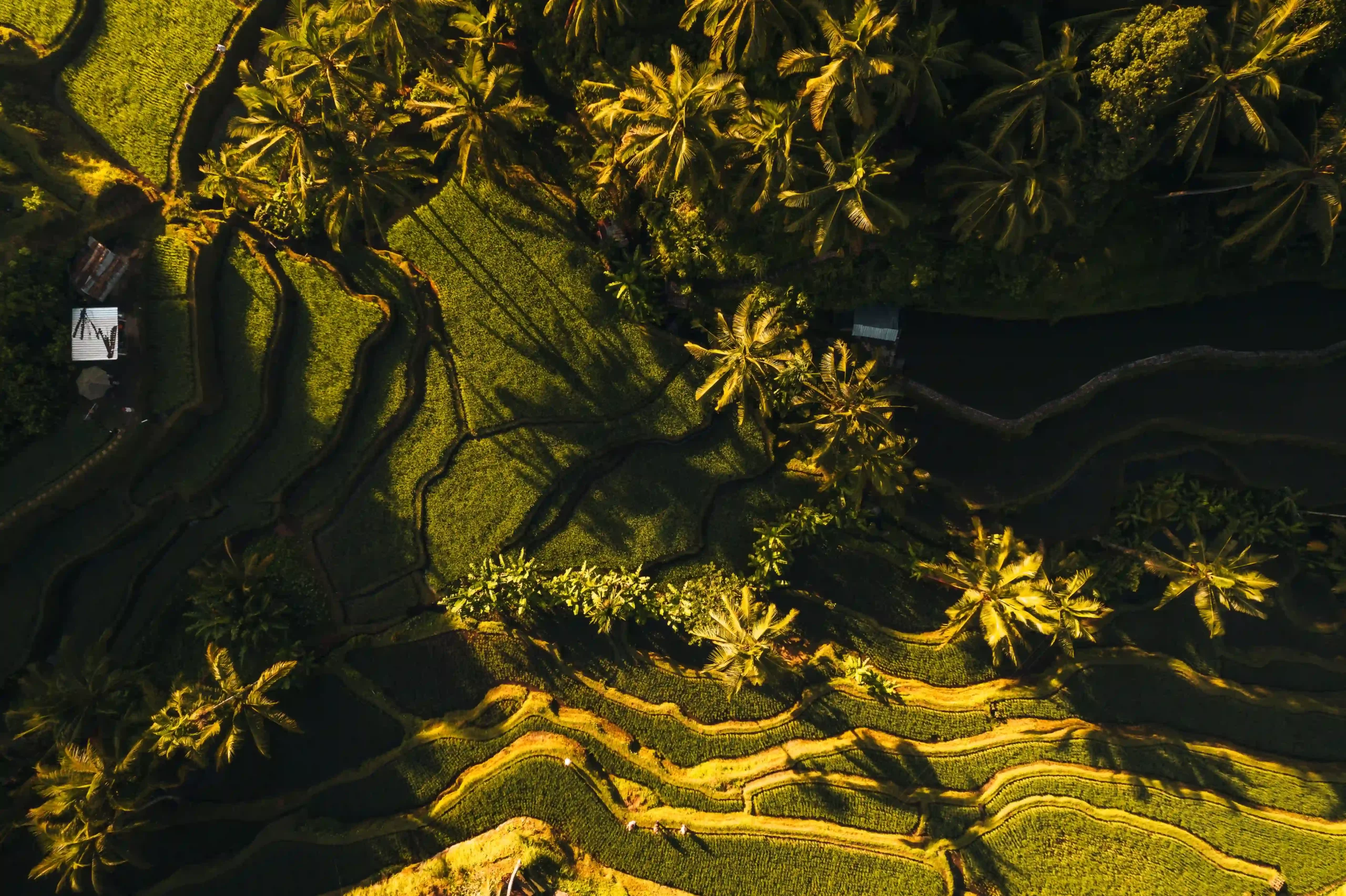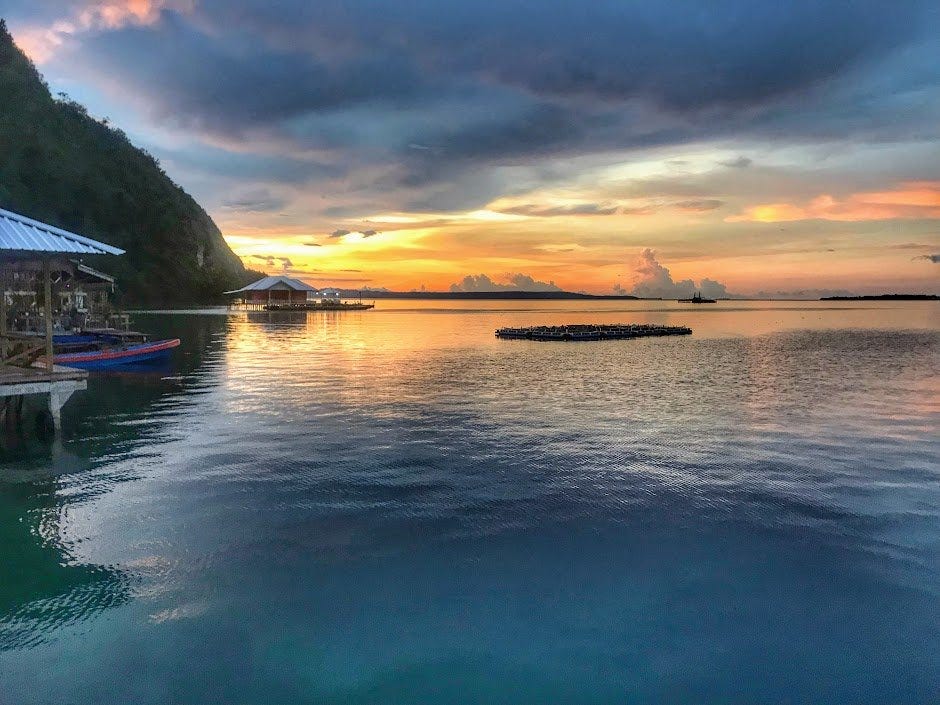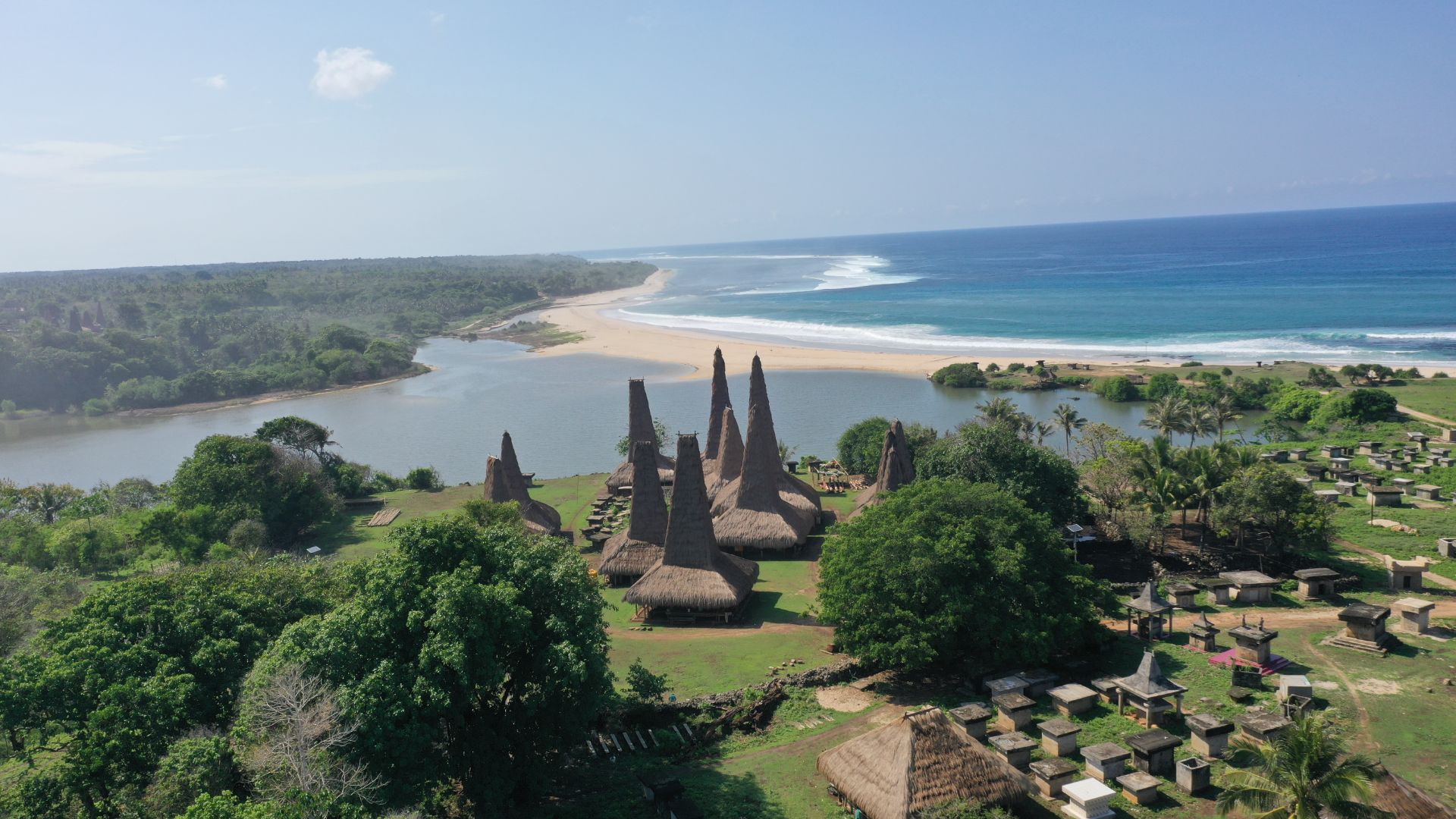
Buying land in Sumba has become an increasingly attractive option for investors and nature lovers seeking a slice of paradise in one of Indonesia’s most untapped islands. With its dramatic landscapes, traditional villages, and growing interest from eco-conscious developers, Sumba offers both opportunity and complexity. However, navigating land purchases here requires careful attention to legal, environmental, and cultural considerations to ensure your investment is sound.
Table of Contents
1. Land Title and Ownership Clarity
The essential first step when buying land in Sumba—or anywhere in Indonesia—it’s essential to understand the legal status of the land. There are several types of land titles, and not all are available for foreign ownership. Look for Hak Milik (freehold title) if you’re an Indonesian citizen, or Hak Pakai (right to use) if you’re a foreigner acquiring land through a legal entity or nominee structure. Always work with a reputable notary or legal advisor to confirm ownership, titles, and legal documentation.
2. Zoning and Permits
Zoning is particularly important if you’re planning to build or develop the land. Sumba has designated tourism zones, conservation areas, and agricultural land, all with different restrictions. Be sure to check the local zoning regulations with the local land office (BPN) to ensure your intended use is permitted. Additionally, consider whether IMB or PBG (building permits) can be obtained easily for the site.
3. Access to Infrastructure
While Sumba is known for its remote charm, infrastructure can be limited. Before buying, evaluate the land’s access to roads, electricity, water supply, and telecommunications. Proximity to towns like Tambolaka or Waingapu—or nearby tourist destinations—can significantly affect the value and usability of your property.
4. Environmental Considerations
Sumba’s environment is both beautiful and fragile. When evaluating land, when buying land in Sumba, consider the slope, soil stability, and proximity to protected forests or coastal areas. Be mindful of flood zones, erosion risks, or landslide-prone hillsides. It’s also good practice to ensure your land is not part of a traditional adat (customary) territory unless clearly released through proper channels.
5. Cultural Sensitivity and Community Relations
Respecting the local community and traditions is crucial in Sumba. Always meet local leaders and discuss your plans with nearby villagers before proceeding. Maintaining good relationships can prevent future disputes and foster support for your project. Many areas in Sumba are bound by adat law, and it’s important to honour local customs during land transactions.
6. Future Development Potential
Sumba is seeing growing attention from eco-resorts, sustainable developers, and adventurous investors. When buying land in Sumba, choose locations that are in line with future growth trends, especially those close to surf beaches, natural landmarks, or near planned infrastructure projects like new roads or airports.
Final Thoughts on Buying Land in Sumba
Buying land in Sumba can be a truly rewarding experience—both personally and financially—when done carefully. By checking the legal, environmental, and community aspects up front, you’ll protect your investment and contribute positively to one of Indonesia’s most culturally rich and naturally stunning islands.
For land in prime areas, our trusted partners at Own Island Now offer parcels in top locations, all with correct titles, zoning, and due diligence already completed. Contact them at sales@ownislandnow.com to learn more.
📩 For land opportunities and consultations, contact: sales@ownislandnow.com
Buying land in Sumba rewards those who take the time to understand the local context. Engage a reputable local lawyer, work with trusted landowners, and take time to understand the cultural context of any transaction. With the right preparation, buying land in Sumba can open doors to one of Indonesia’s most rewarding and unspoiled destinations. For context on Bali property investment, read our guide on real Bali villa ROI and Bali villa management. For background on Indonesian land law, see property law in Indonesia on Wikipedia.